FAQs
Common Questions About Healthy Cooking? We Have Answers

What is healthy meal preparation?
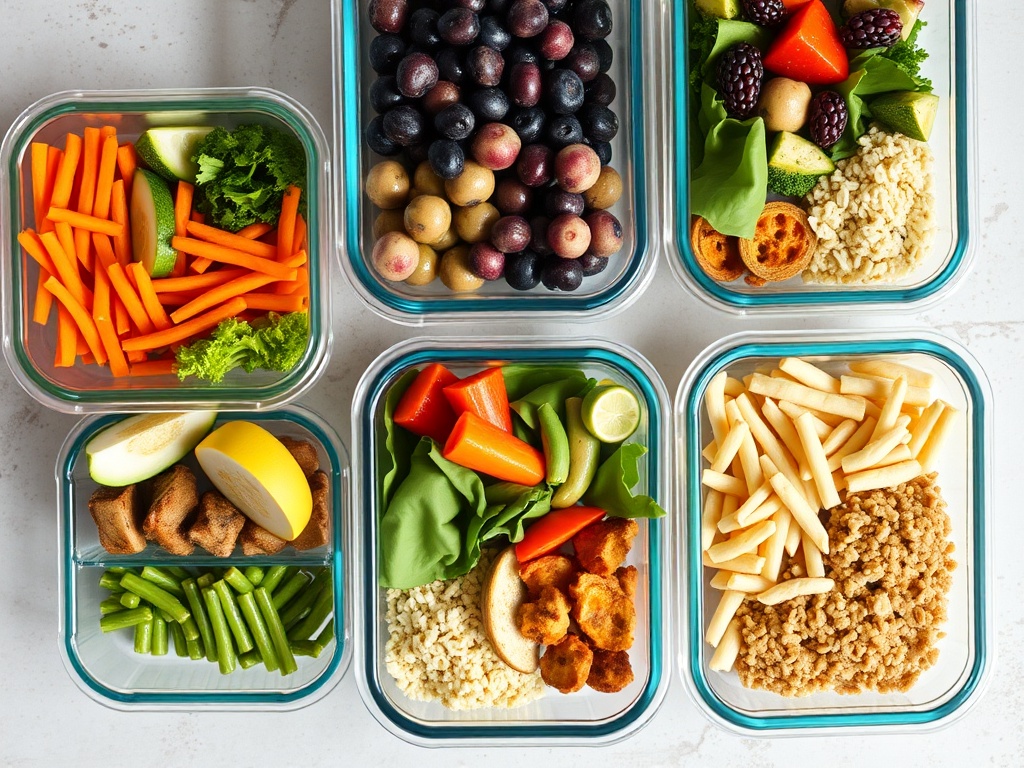
Healthy meal preparation is the foundation of nutritious eating. By planning and preparing meals in advance, you gain control over ingredients, portion sizes, and cooking methods. This approach eliminates reliance on processed foods and fast meals. You'll save time during busy weekdays while ensuring your body receives optimal nutrition. Proper meal prep also reduces food waste and helps you maintain consistent eating habits that support your wellness goals.
Why is healthy cooking important for wellness?
Healthy cooking directly impacts your physical health, mental clarity, and overall energy levels. When you prepare meals with whole, nutrient-dense ingredients, you nourish your body at the cellular level. This reduces inflammation, strengthens immunity, and supports sustainable weight management. Beyond physical benefits, mindful cooking practices create a meditative routine that reduces stress. Investing in proper cooking skills is investing in your long-term health and quality of life.
What are the key components of nutritious meal planning?
Nutritious meal planning includes balanced macronutrients like lean proteins, healthy fats, and complex carbohydrates. Fresh vegetables and fruits provide essential vitamins and minerals your body requires. Whole grains offer sustained energy and fiber for digestive health. Portion control ensures you're fueling your body appropriately. Understanding seasonal ingredients and their nutritional profiles helps you create varied, interesting meals. Proper planning also considers your lifestyle, dietary restrictions, and health goals.
How do I choose the right cooking methods?
Cooking methods significantly affect nutrient retention and food quality. Steaming, baking, and grilling preserve vitamins better than deep frying. Raw preparation maintains enzymes and delicate nutrients in vegetables. Low-heat cooking prevents nutrient degradation in sensitive foods. Understanding which methods work best for different ingredients ensures maximum nutritional benefit. Your cooking technique is as important as ingredient selection in creating truly healthy meals for your family.
What are easy protein-rich meal ideas for busy schedules?
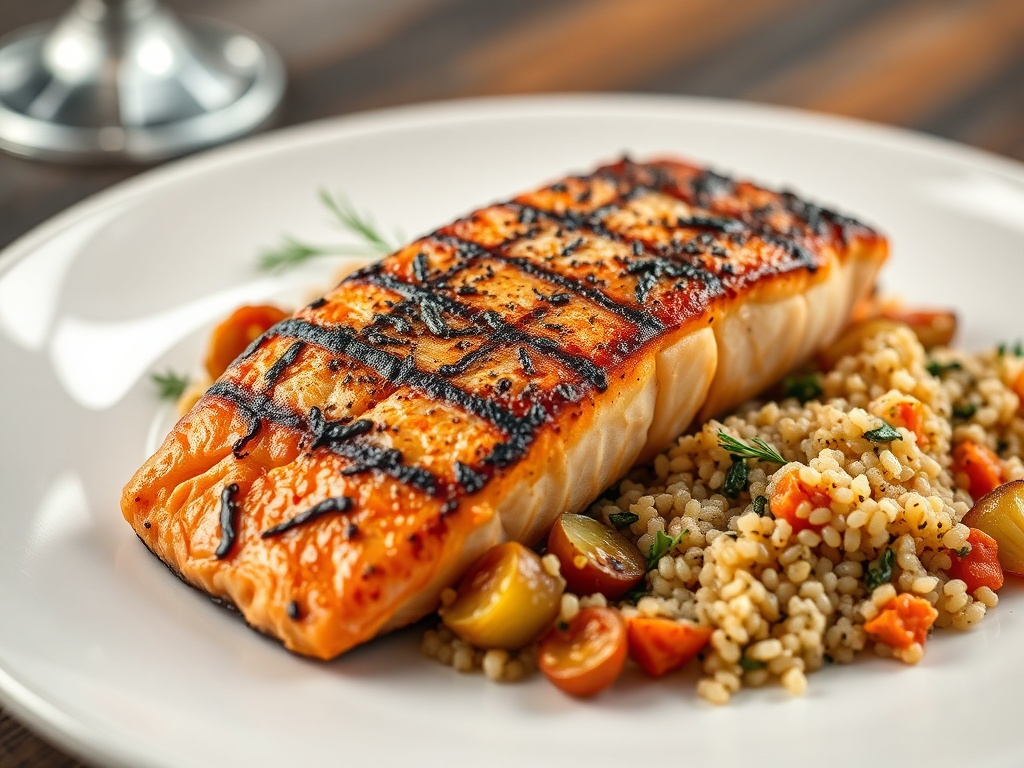
Quick protein options include grilled chicken breasts, baked salmon, legume-based dishes, and Greek yogurt bowls. Batch-cooking proteins on weekends saves tremendous weekday time. Slow cookers allow hands-off meal preparation while you handle other tasks. Sheet pan dinners combine protein with vegetables for complete nutrition in one dish. Eggs remain one of nature's most versatile, affordable protein sources. These accessible options make maintaining high protein intake realistic even during hectic weeks.
How can I make healthy cooking enjoyable?
Transform healthy cooking into a pleasurable activity by experimenting with diverse cuisines and flavors. Invite family members into meal prep as quality time together. Invest in quality cookware and tools that make preparation easier and more satisfying. Try new recipes regularly to prevent boredom and monotony. Listen to music or podcasts while cooking. Celebrate small victories in your culinary journey. When cooking feels like self-care rather than obligation, you'll maintain these healthy habits long-term.
Ready to Master Healthy Cooking? Join Our Interactive Online Course Today

What nutrients should I prioritize daily?
Essential nutrients include protein for muscle maintenance, healthy fats for brain function, complex carbohydrates for sustained energy, and fiber for digestive health. Micronutrients like vitamins and minerals support countless body functions. Iron supports energy and oxygen transport, while calcium builds strong bones. Antioxidants from colorful vegetables protect against cellular damage. Understanding your individual nutritional needs based on age, activity level, and health status helps you create personalized meal plans.
Why should I avoid processed foods?
Processed foods typically contain added sugars, unhealthy fats, excessive sodium, and chemical preservatives. These ingredients contribute to inflammation, energy crashes, and chronic disease development. They lack the fiber and micronutrients that whole foods provide naturally. Processing removes nutritional value while increasing calorie density. Your body struggles to digest artificial additives efficiently. Choosing whole, unprocessed ingredients allows your digestive system to function optimally and extract maximum nutrition.
How do I create balanced meals that satisfy and nourish?
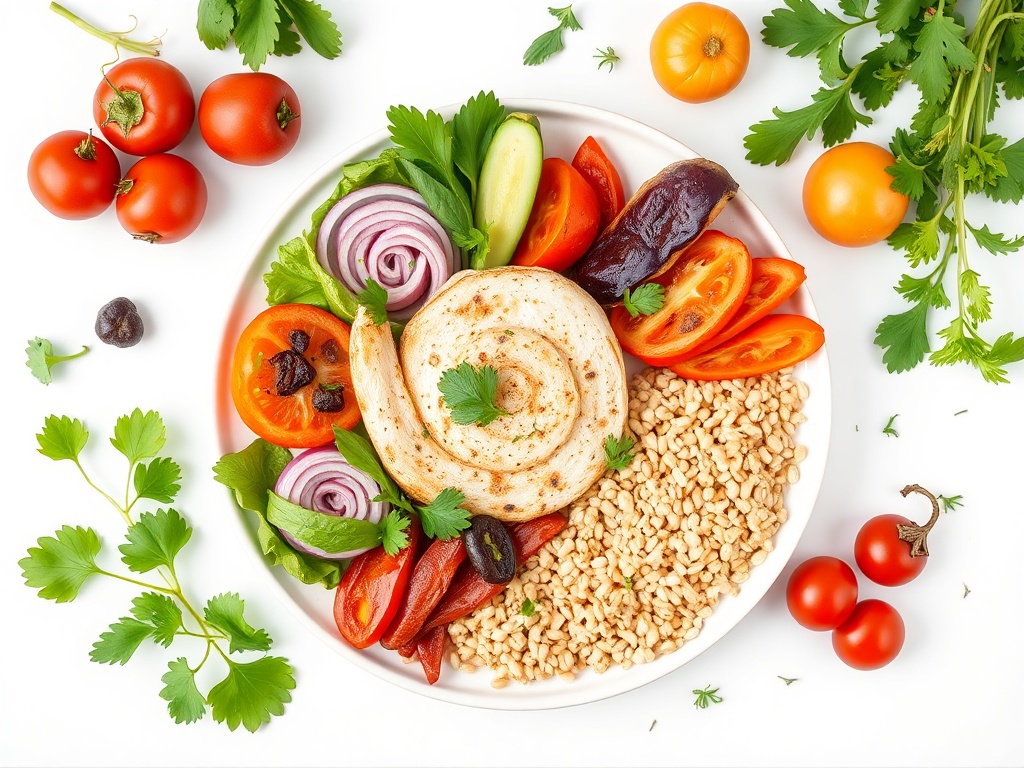
Balance meals by combining lean protein, plenty of vegetables, healthy fats, and whole grains. The plate method provides an easy visual guide: half plate vegetables, quarter plate protein, quarter plate whole grains. Include healthy fats like olive oil, nuts, or avocado for satiety and nutrient absorption. This combination stabilizes blood sugar, maintains steady energy, and keeps you satisfied longer. Balanced meals reduce cravings and support healthy weight management naturally.
What role do herbs and spices play in healthy cooking?
Herbs and spices add incredible flavor without calories, salt, or sugar while providing powerful health benefits. Turmeric offers anti-inflammatory properties, garlic supports heart health, and ginger aids digestion. These additions make healthy meals genuinely delicious, increasing adherence to nutritious eating. Fresh herbs contain concentrated nutrients and antioxidants. Building a diverse spice collection transforms basic ingredients into exciting, satisfying dishes that taste indulgent while nourishing your body.
How often should I meal prep for optimal freshness?
Meal prepping two to three times weekly balances freshness with convenience. Proteins and grains store safely for three to four days refrigerated. Raw vegetables keep longer than cooked options. Consider your schedule and storage capacity when planning prep frequency. Some components like dressings stay separate until serving time. Freezing portions extends shelf life for later weeks. Finding your ideal prep rhythm ensures you have fresh, nutritious meals without waste or food safety concerns.
What kitchen tools make healthy cooking easier?
Essential tools include a sharp chef's knife for efficient vegetable preparation, cutting board, quality cookware, and blender for nutrient-dense smoothies. Slow cookers, instant pots, and rice cookers save time significantly. Food storage containers support meal prep success. A scale ensures proper portions if tracking nutrition. Measuring cups and spoons maintain recipe accuracy. Quality tools reduce preparation time, making healthy cooking feel effortless rather than burdensome, encouraging consistent practice.

Start your healthy cooking transformation
Learn proven techniques and strategies from nutrition experts